Oxy-Acetylene Cutting
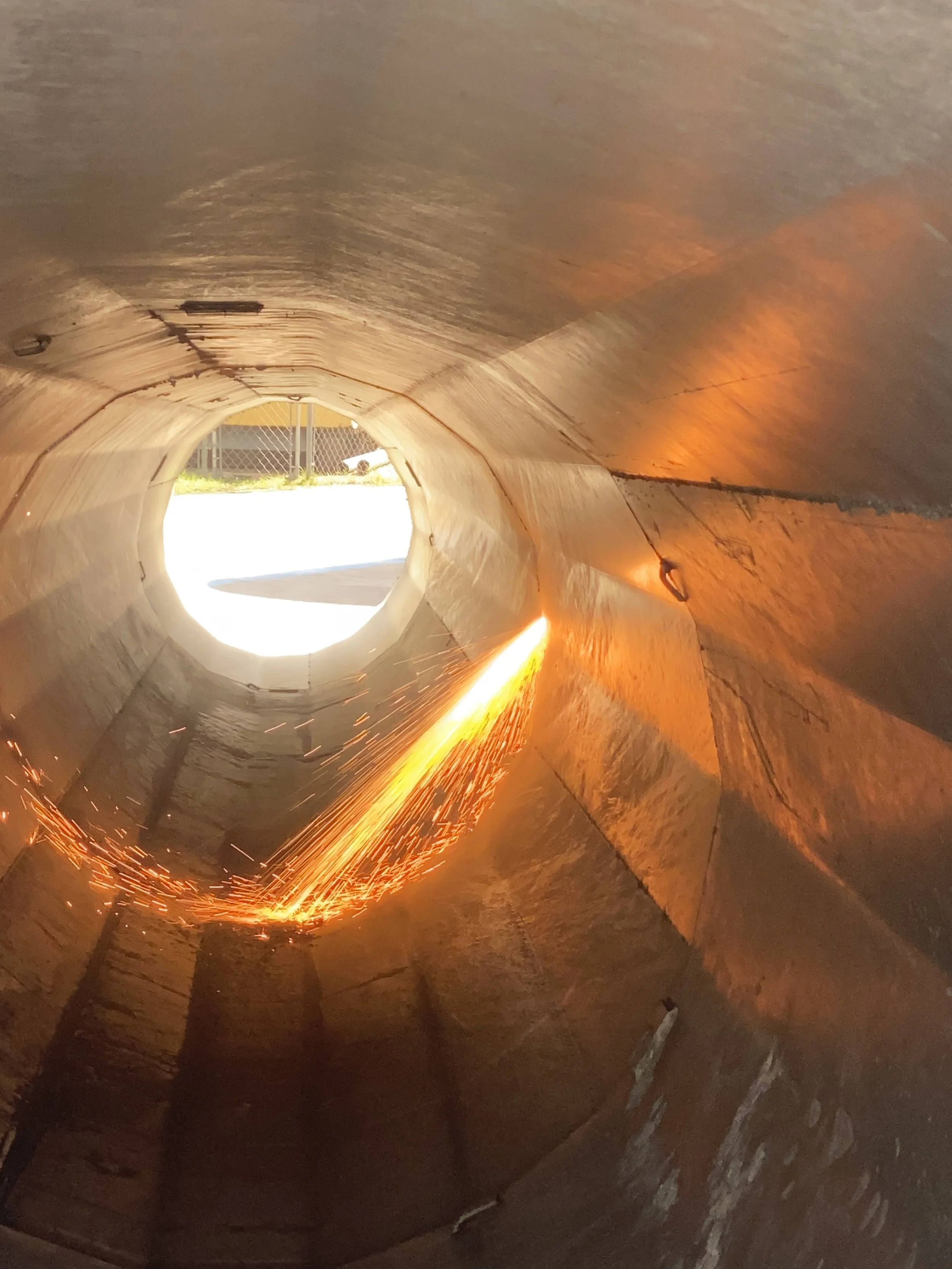
Oxy-Acetylene cutting is a process that uses a combination of oxygen and acetylene gases to produce a high-temperature flame capable of cutting through metal.
This technique is particularly effective for cutting thick steel and is commonly used in fabrication, repair, and demolition work. The process allows for portability and flexibility, making it a practical solution for both workshop and on-site applications.
While it requires skill to control the flame and achieve clean cuts, Oxy-Acetylene cutting remains a trusted and efficient method for shaping and preparing metal components.
Oxy-Acetylene Cutting
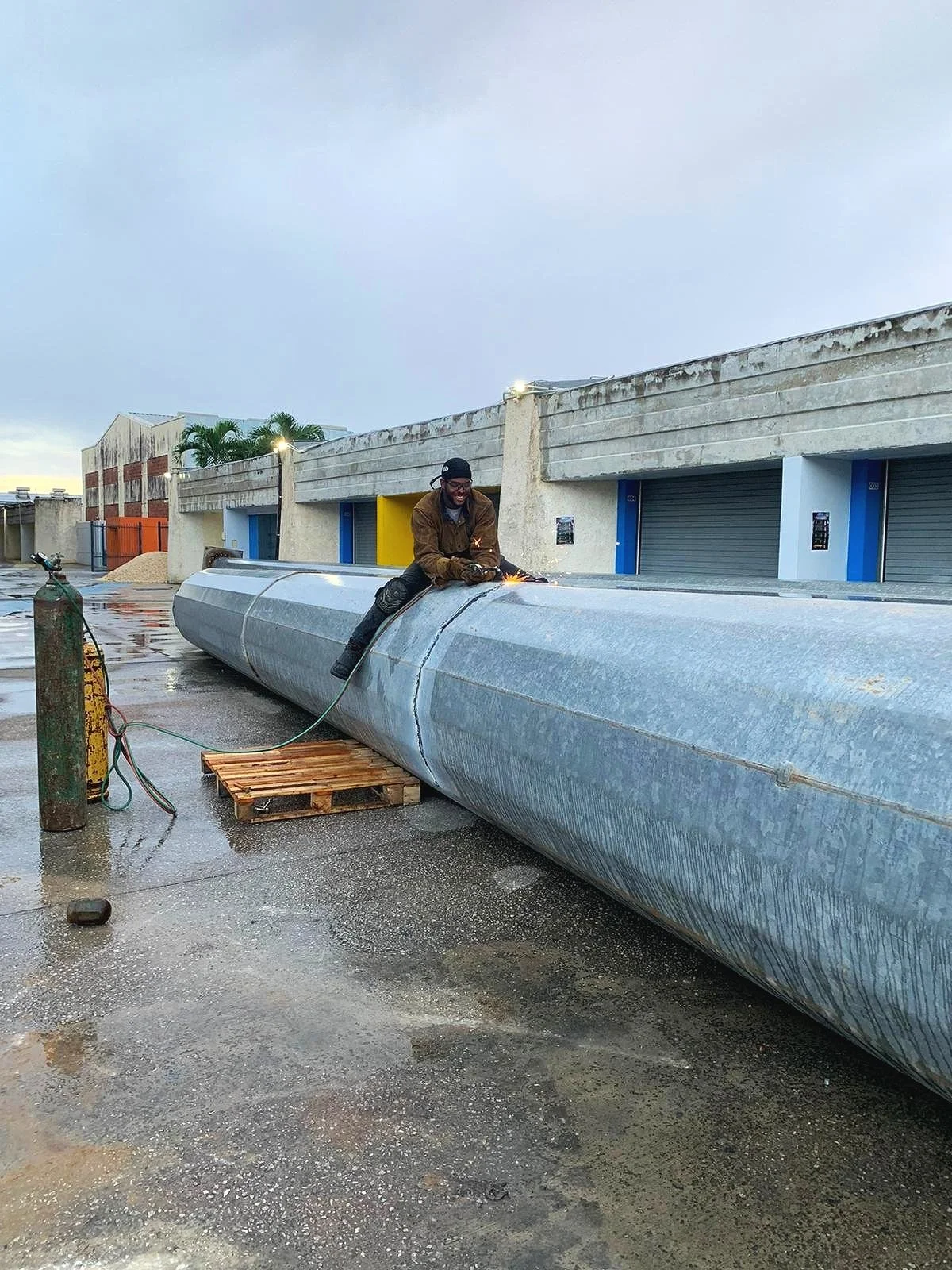
This is a process that uses a combination of oxygen and acetylene gases to produce a high-temperature flame capable of cutting through metal.
This technique is particularly effective for cutting thick steel and is commonly used in fabrication, repair, and demolition work. The process allows for portability and flexibility, making it a practical solution for both workshop and on-site applications.
While it requires skill to control the flame and achieve clean cuts, Oxy-Acetylene cutting remains a trusted and efficient method for shaping and preparing metal components.
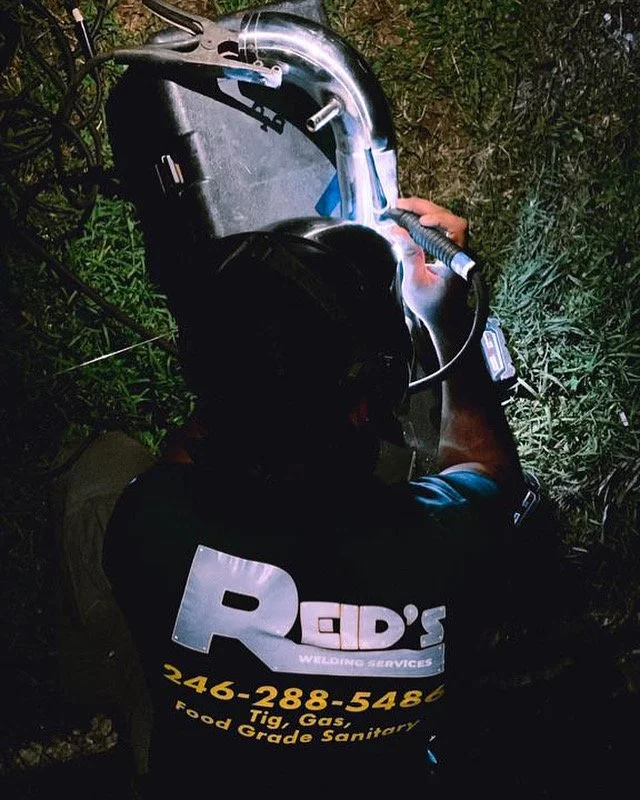
Sanitary Tungsten Inert Gas Welding
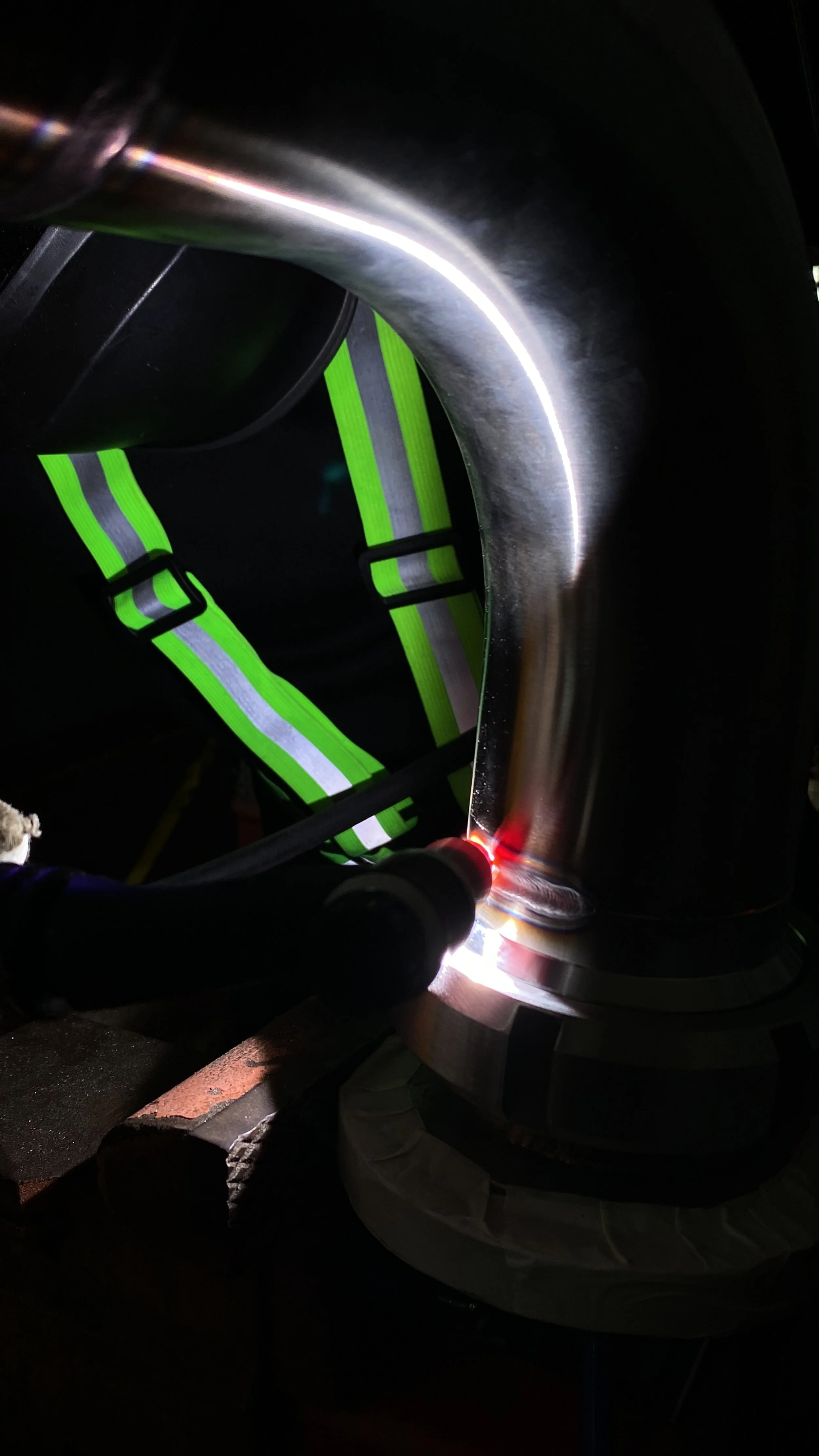
Sanitary welding, similar to Gas Tungsten Arc Welding (TIG), uses an inert gas to produce high-quality, precise weld joints. This process is specifically designed to ensure that both the exterior and interior of the weld are smooth and free from imperfections.
In certain applications, particularly in manufacturing environments, it is critical that the inside of the welded joint is as smooth as the outside. This helps prevent the buildup of debris, contaminants, or microbes—especially in systems where liquids or gases flow through the weld.
While sanitary welding may be used in some automotive applications, it is most commonly required in industries where cleanliness and hygiene are essential.
This is a highly specialized welding technique that demands a high level of skill and precision to achieve the required standards and avoid defects.
Gas Tungsten Arc Welding
Gas Tungsten Arc Welding (GTAW), more commonly known as Tungsten Inert Gas (TIG) welding, is a precise welding process used to create clean, high-quality joints.
This method uses a non-consumable tungsten electrode to fuse metals together, while an inert shielding gas—typically argon—protects the weld area from contamination. The result is a smooth, strong, and visually refined finish.
TIG welding requires a higher level of skill, as the welder must manually feed filler material into the weld pool. However, this technique offers greater control and precision compared to MIG or standard ARC welding.
While it is generally a slower process, TIG welding is ideal for applications where accuracy, strength, and appearance are critical.
Shielded Metal Arc Welding
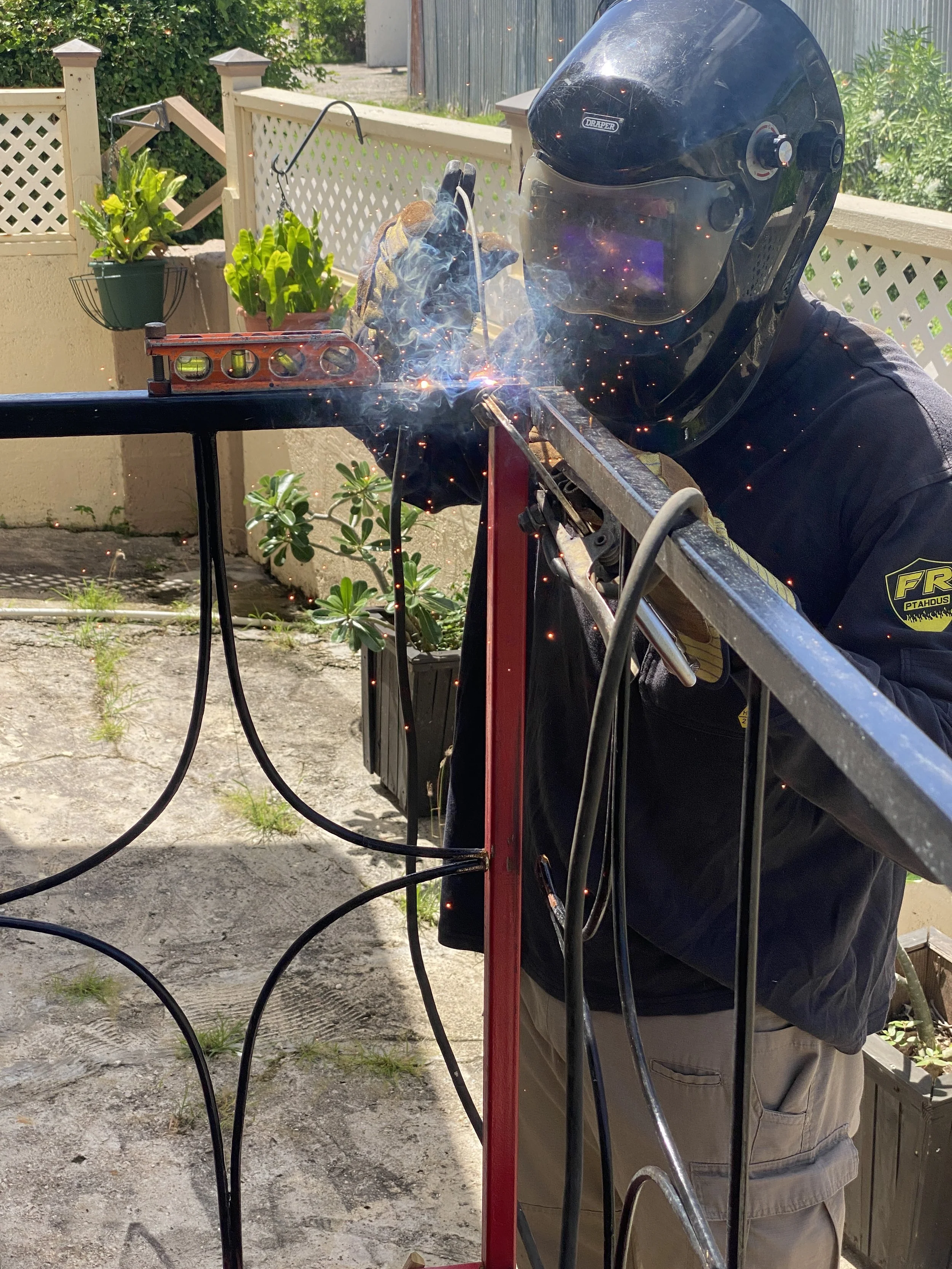
Shielded Metal Arc Welding
Shielded Metal Arc Welding (SMAW), commonly known as ARC welding, is one of the most widely used and versatile welding processes.
This method uses a consumable electrode coated in flux to lay the weld. As the electrode melts, the flux coating produces a गै shield that protects the weld from contamination, ensuring a strong and durable joint. ARC welding is especially effective for outdoor work and in challenging conditions where other methods may be less suitable.
Known for its reliability and strength, ARC welding is ideal for structural work, repairs, and heavy-duty applications. While it may produce a less refined finish compared to TIG welding, it remains a cost-effective and dependable solution for a wide range of projects.